الاثنين، 29 أغسطس 2016


الأحد، 14 أغسطس 2016


الخميس، 11 أغسطس 2016
Allegations against #Muslim_Women - I
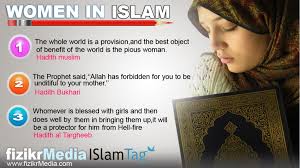
First Allegation: The Hadeeth (narration) of the Persian man
Some advocates of intermixing between the two sexes hold this Hadeeth as a pretext to allow intermixing between the sexes. It was narrated on the authority of Anas ibn Maalik, may Allah be pleased with him, that a Persian neighbor of the Prophet, sallAllahu ‘alayhi wa sallam, was known for making tasty meat soup. He made soup especially for the Prophet, sallAllahu ‘alayhi wa sallam, and invited him over for lunch. The Prophet, sallAllahu ‘alayhi wa sallam, asked him if his wife ‘Aa’ishah, may Allah be pleased with her, could come with him, but he refused. Consequently, the Prophet, sallAllahu ‘alayhi wa sallam, declined his invitation. The Persian neighbor invited the Prophet, sallAllahu ‘alayhi wa sallam, again and the Prophet, sallAllahu ‘alayhi wa sallam, asked him if his wife ‘Aa’ishah, may Allah be pleased with her, could come with him that time, but he refused, and the Prophet, sallAllahu ‘alayhi wa sallam, declined the invitation again. The third time, this Persian neighbor invited the Prophet, sallAllahu ‘alayhi wa sallam, and his wife, and he accepted his invitation and went with ‘Aa’ishah, may Allah be pleased with her, to his house.
Advocates of intermixing between the sexes say that this Hadeeth indicates the permissibility of a Muslim accompanying his wife to banquets held by his [male] neighbor or friend.
Refutation:
• This Hadeeth does not prove anything except that ‘Aa’ishah, may Allah be pleased with her, accompanied the Prophet, sallAllahu ‘alayhi wa sallam, to the house of the Persian neighbor. Moreover, there are many Hadeeths showing that the wives of the Companions used to accompany them to mosques. Numerous other Hadeeths indicate that many of the Companions visited the wives of the Prophet, sallAllahu ‘alayhi wa sallam, in general, and ‘Aa’ishah, may Allah be pleased with her, in particular, to ask her about the Hadeeths of the Prophet, sallAllahu ‘alayhi wa sallam, and about some of his affairs or to obtain her opinion on religious matters.
What is the contradiction between the implication of this Hadeeth and the Islamic ruling stating that the Muslim woman must wear Hijaab (Islamic covering) before non-Mahrams (marriageable men) and that men must ask them what they want from behind a partition?
• The fact that the Prophet, sallAllahu ‘alayhi wa sallam, did not accept the invitation unless ‘Aa’ishah, may Allah be pleased with her, went with him, is true and doubtless. In fact, there is no shame in such a thing. Rather, it highlights the noble morals and great kindness of the Prophet, sallAllahu ‘alayhi wa sallam, in treating his wives, as well as his deep love and compassion for them. Many days would pass in the house of the Prophet, sallAllahu ‘alayhi wa sallam, without having any food to cook; and their main food used to be dates and water.
Should a loving husband like the Prophet, sallAllahu ‘alayhi wa sallam, leave his wife -- who would be satisfied with eating only bread as was their customary diet -- and go to a great banquet at his Persian neighbor’s? Obviously, the Prophet, sallAllahu ‘alayhi wa sallam, who was the epitome of exemplary manners, would not do such a thing.
As for holding this Hadeeth as proof that ‘Aa’ishah, may Allah be pleased with her, went with the Prophet, sallAllahu ‘alayhi wa sallam, while not adhering to Hijaab or sat with her face uncovered before the Persian neighbor and his family like what happens nowadays, is absolutely groundless. In fact, interpreting this Hadeeth in this manner is quite far-fetched.
Second Allegation: The Hadeeth of the wife of Abu Usayd As-Saa‘idi
It was narrated on the authority of Sahl ibn Sa‘d, may Allah be pleased with him, that he said, “When Abu Usayd As-Saa‘idi got married, he invited the Prophet, sallAllahu ‘alayhi wa sallam, and his Companions. His wife made them food and served it herself. She soaked some dates in water all night in a stone vessel. On finishing his food, she served the dates that she had made especially for the Prophet, sallAllahu ‘alayhi wa sallam.”
Advocates of intermixing between the sexes argue that, based on this Hadeeth, the husband can let his wife welcome his guests and serve them food and that is not forbidden in Islam.
Refutation:
• Muslim jurists and scholars unanimously agree that there is no harm if the Muslim woman welcomes the [male]guests and serves them food as long as her husband is present and she is fully adhering to Hijaab and this is clearly what happened at Abu Usayd As-Saa‘idi’s wedding.
Ibn Hajar, may Allah have mercy upon him, said, “This Hadeeth proves that it is permissible for the wife to serve food for her husband’s [male] guests. However, it is quite obvious that this can only be done if temptation is avoided and as long as she is adhering to Hijaab.”
In a wedding which the Prophet, sallAllahu ‘alayhi wa sallam, was attending himself, the least they could do was for the wife to serve the Prophet, sallAllahu ‘alayhi wa sallam, the food herself and warmly welcome him to her house. Actually, there is nothing disgraceful in this and there is no question of impropriety or tracing a flaw in the Prophet, sallAllahu ‘alayhi wa sallam, because of this.
In fact, what would be really disgraceful would be to prove that Abu Usayd As-Saa‘idi’s wife had welcomed the guests with her face uncovered and had exposed her beauty and adornment before them; which cannot be found in the Hadeeth and is utterly groundless.
• It is narrated that many of the Companion’s wives accompanied their men to the battlegrounds to treat the wounded soldiers and provide them with water. Umm Sulaym, may Allah be pleased with her, was one of those women. Who would rely on this as proof of allowing women to intermix with men as they wish, exposing their beauty before them?
Someone might say that since Abu Usayd As-Saa‘idi’s wife served food and drink to the Prophet, sallAllahu ‘alayhi wa sallam, herself at her wedding, it is permissible for Muslim women to expose their beauty before men. However, this is the equivalent of a person saying that since Allah The Exalted has rendered trade permissible to earn one’s living, so cheating and doing injustice [in trade] are also permissible.
Allegations against #Muslim_Women - II

Third Allegation: Co-education for young children
Some people call for co-education for young children claiming that this not does not harm them or affect them negatively at all, and that women make better teachers for young children as they have the skill and tact to deal with them.
Refutation:
• This is only the first step, then it will become easy for some people to allow co-education throughout the long stages of academic life; it would just start the ball rolling. Islam has set some fixed rules and basic principles that cannot be changed in any way; Islam has also forbidden any potential trickery and has even ordered eliminating the means that lead to unfavorable results.
• Intermixing between the sexes, whether in education or anywhere else, is a Masonic idea and is completely alien to the Muslim nation. Actually, it is much more harmful to our nation than the direct call for removing Hijaab (Islamic covering) and allowing impermissible exposure of women's beauty; since it includes the harms of removing the Hijaab and much more.
• It is evident and experimentally proven that as the child starts growing up, he looks forward to learning from the age of six. He studies and memorizes his lessons with great eagerness to learn more and acquire greater knowledge at that age and even before that age. Islam urges parents to order their seven-year-old children to pray. Moreover, boys and girls should have separate beds at the age of ten. By the age of ten, the child’s natural instincts start becoming aroused and he begins to become aware of the world around him.
Research has shown that some children actually reach puberty at the age of nine. Besides, some students might experience academic failure in their primary educational phase and might reach the age of twelve or maybe more (which is the beginning of the adolescent phase) while still being in primary education.
• Statistics coming from the countries that allow intermixing between the sexes show significantly high rates of illicit sexual relations and homosexuality among young children, as well as high rates of pregnancy among pre-adolescent and adolescent girls. Intermixing between the sexes is something that men [in the West] are quite familiar with, and that is why women [considering it a sign of progress] wanted to go against their nature and intermix with men. The greater the degree of the intermixing between the sexes is, the more illegitimate children come into existence, and herein lies the real catastrophe for women.
• Co-education results in weakness in the level of educational attainment. Whoever visits mixed universities or views their results easily notices this.
Some writers visited a school in Belgium and noticed that all its students were girls, and when they asked the principal, she answered, “We have experienced the harm resulting from intermixing between the sexes even at the level of primary education.”
According to estimates, probably 45 percent of school girls lose their virginity before finishing their education; and the rates increase at higher levels of education.
Fourth Allegation: Intermixing between the sexes lessens the libido
Advocates of intermixing between the sexes claim that it lessens the sex drive of both men and women.
Refutation:
• On the contrary, intermixing between the sexes agitates the sex drive of both men and women. If this claim were correct, in the case of husbands and wives who spend so much time together, it would be expected that their sex drive would gradually fade away until it vanishes completely. However, reality proves that what happens is exactly the opposite; their sex drives remain as long as they are both mentally and physically healthy.
This hypothesis is proven wrong day after day in societies where intermixing between the sexes is allowed with no limits of any kind; the sex drive of both men and women there significantly increases. Some reports show that 90 percent of unmarried women in the USA and Europe indulge in illicit sexual relations constantly or occasionally.
• However, the claim could be true to some extent, despite the fact that a strong libido can be hard to tame. It is quite probable that such social experiments would result in achieving what they aim at, but what can one call such an aim? Is not the ultimate outcome sexual dysfunction? If a man sees a woman without feeling what a normal man feels, and without experiencing any physical and sexual changes, that would result in a state of sexual arousal without the opportunity to release it properly. Will this not lead to sexual dysfunction? Is this not a disease, for which people seek treatment? How could one set such a disease as a desirable aim to tame the libido? What would happen if all men and women lost their libidos? What would happen if men and women lost their sexual attraction towards each other? Certainly, they would not have the strong impulse that drives them to have [permissible] sexual intercourse; does this not mean the end of the world?
The strength of libido is a means of having healthier and better offspring, and likewise a weak libido means weak and less healthy offspring.
One of the perilous outcomes of sexual dysfunction could be the spread of homosexuality. The man who normally reached a state of sexual arousal when seeing a woman’s body, but now does not, would certainly seek alternative scenes and positions that would make him sexually aroused instead. This deprives a man of his masculinity; he feels hurt and humiliated deep down inside him and this drives him to try to obtain his lost sexual satisfaction by any means. He might resort to indulging in sexual fantasies or prostitutes or seek his sexual satisfaction in other abnormal and strange methods in a desperate attempt to recover his lost masculinity. He could turn to drugs, crime or several other hazardous pursuits that might satisfy his unfulfilled desires and prove his masculinity one way or another.
• The outcomes of intermixing between the sexes in the West recorded by their own scientists:
An American psychologist from Chicago, says, “Commercial advertisements picturing nude women are the reason behind the decline in the level of sexuality among Americans.
Intermixing between the sexes has caused a major upheaval in the structure of British society; mannish women, who have abandoned their femininity for masculinity are regarded as a third gender. It is a gender that is neither a man in nature or figure, nor a woman in looks and behavior; but something in between."
انتبهوا: إنه محمد رسول الله

تحت دعوى باطلة أسموها حرية التعبير ما زالت الإساءات لنبينا صلى الله عليه وسلم مستمرة، ولن تنتهي طالما هناك من يبغض الإسلام ويحقد على نبيه عليه الصلاة والسلام، فعداوة الكافرين لنبينا ولدينه عداوة قديمة منذ بعثته، وهي مستمرة إلى أن يرث الله الأرض ومن عليها، وقد بين الله تعالى أن هؤلاء الحاقدين لن يرضوا عن المسلمين حتى يتبعون ملتهم، ويسيرون سيرتهم، قال الله تعالى: {وَلَنْ تَرْضَى عَنْكَ الْيَهُودُ وَلَا النَّصَارَى حَتَّى تَتَّبِعَ مِلَّتَهُمْ قُلْ إِنَّ هُدَى اللَّهِ هُوَ الْهُدَى وَلَئِنِ اتَّبَعْتَ أَهْوَاءَهُمْ بَعْدَ الَّذِي جَاءَكَ مِنَ الْعِلْمِ مَا لَكَ مِنَ اللَّهِ مِنْ وَلِيٍّ وَلَا نَصِيرٍ} (البقرة:120).
ورغم البعد عن الإنصاف وحملات التشويه والإساءات المتكررة لنبينا صلى الله عليه وسلم، فالمتأمل في التاريخ يدرك أنه لم تحظ شخصية بمثل ما حظيت به شخصية نبينا صلى الله عليه وسلم من الاهتمام والإشادة، والثناء والتمجيد من العدو والصديق، والمؤمن والكافر، وإذا كان من الطبيعي أن يثني التابعون على متبوعهم، فإنه من غير الطبيعي ثناء الأعداء والمخالفين، ففي عصر الرسالة قال عنه كفار مكة الذين لم يؤمنوا به: "ما جربنا عليك إلا صدقاً"، وأسموه: " الصادق الأمين". وفي العصر الحديث جرت أقوال كثيرة لعلماء ومفكرين وأدباء فلاسفة غربيين ـ منصفين ـ تدل على عظمة النبي صلى الله عليه وسلم، فهذه هي الحقيقة التي لا مفر منها، والتي نطقت بها ألسنتهم؛ لتكون حجة عليهم وعلى أقوامهم ممن يكابر ويعاند، ويأبى إلا الكذب والتزوير، وقلب الحقائق، قال الله تعالى: {فَإِنَّهُمْ لا يُكَذِّبُونَكَ وَلَكِنَّ الظَّالِمِينَ بِآيَاتِ اللَّهِ يَجْحَدُونَ} (الأنعام:33).
وفيما يلي نسوق بعض الأقوال الصادرة عن ألسنة علماء ومفكرين غربيين، تحدثوا بإنصاف عن نبينا صلى الله عليه وسلم:
ـ جوستان لوبون: باحث فرنسي شهير يتحدث عن النبي صلى الله عليه وسلم في كتابه "الدين والحياة" فيقول: "لقد كان محمد ذا أخلاق عالية وحكمة ورقة قلب، ورأفة ورحمة، وصدق وأمانة"، ويقول أيضاً: "إذا ما قيست قيمة الرجال بجليل أعمالهم، كان محمد من أعظم من عرفهم التاريخ، وقد أخذ علماء الغرب ينصفون محمداً، مع أن التعصب الديني أعمى بصائر مؤرخين كثيرين عن الاعتراف بفضله".
ـ كارديفو: فيلسوف فرنسي مشهور يقول: "إن محمداً كان هو النبي المُلْهَم والمؤمن، ولم يستطع أحد أن ينازعه المكانة العالية التي كان عليها، إن شعور المساواة والإخاء الذي أسسه بين أعضاء الكتلة الإسلامية كان يطبق عمليًّا حتى على النبي نفسه".
ـ لامارتين: الشاعر الفرنسي العالمي الشهير يشهد للنبي محمد صلى الله عليه وسلم فيقول: "من ذا الذي يجرؤ من الناحية البشرية على تشبيه رجل من رجال التاريخ بمحمد؟ ومن هو الرجل الذي ظهر أعظم منه عند النظر إلى جميع المقاييس التي تقاس بها عظمة الإنسان؟! فأعظم حب في حياتي هو أنني درستُ حياة محمد دراسة وافية، وأدركت ما فيها من عظمة وخلود". وأضاف: "أي رجل أدرك من العظمة الإنسانية مثلما أدركه محمد؟! وأي إنسان بلغ؟! لقد هدم المعتقدات الباطلة التي تتخذ واسطة بين الخالق والمخلوق، وإذا كانت الضوابط التي نقيس بها عبقرية الإنسان هي سمو الغاية والنتائج المذهلة؛ لذلك رغم قلة الوسيلة، فمن ذا الذي يجرؤ أن يقارن أيًّا من عظماء التاريخ الحديث بمحمد في عبقريته؟!".
إن المنصفين والعقلاء، ولو كانوا مخالفين للنبي صلى الله عليه وسلم، عندما اطلعوا على شمائله وسيرته صلى الله عليه وسلم الصحيحة، لم يملكوا إلا الاعتراف له بالفضل، وحُسن الخُلق، بخلاف من أعمى الله بصره وبصيرته، فراح يهجوه ويتهمه بتهم وصفات باطلة، فمثل هؤلاء كمن يُنكر ضوء الشمس في رابعة النهار
قدْ تُنْكِرُ العينُ ضوءَ الشمسِ مِنْ رمدٍ ويشتكي الفمُ طعْمَ الماء مِنْ سِقم
إن عظمة نبينا صلى الله عليه وسلم ومنزلته لن ينالَ منها قول حاقد، أو رسم عابث، أو فيلم مستهتر، فلن يضرّ السحابَ نباحُ الكلاب، ولن تصل إلى السماء يدٌ شلّاء، ولكنّ الذي يعنينا هو واجبُنا تجاه نبينا صلى الله عليه وسلم، والانتصار له والدفاع عنه من كل أذى يراد به، أو نقص ينسب إليه، فذلك حقٌ من حقوقه علينا، كما قال تعالى : {لِتُؤْمِنُوا بِاللَّهِ وَرَسُولِهِ وَتُعَزِّرُوهُ وَتُوَقِّرُوهُ} (الفتح:9)، ولن يعدم المسلم وسيلة ـ بل وسائل ـ ينصر بها نبيه وحبيبه صلى الله عليه وسلم، ومن هذه الوسائل:
ـ اتباعه وطاعته، والرضى بحكمه، والتسليم له، والانقياد لسنته والاقتداء بها، ونبذ ما سواها: قال الله تعالى: {قُلْ إِنْ كُنْتُمْ تُحِبُّونَ اللَّهَ فَاتَّبِعُونِي يُحْبِبْكُمُ اللَّهُ وَيَغْفِرْ لَكُمْ ذُنُوبَكُمْ وَاللَّهُ غَفُورٌ رَحِيمٌ} (آل عمران:31).
ـ التعرف على شمائله العطرة، وكريم صفاته الخَلقية والخُلقية، وسيرته الشريفة، مع الوقوف عند حوادثها موقف المستفيد من حِكَمِها وعبرها، ودحض وتفنيد الشبهات والأباطيل التي تثار حوله صلى الله عليه وسلم وحول سيرته وحياته، والتصدي للإعلام الغربي وغيره، والرد على ما يثيرونه عن ديننا ونبينا، وإبراز شخصيته صلى الله عليه وسلم وأخلاقه وخصائص دينه من خلال نشر ذلك والتحدث عنه.
ـ الالتزام بأمر الله تعالى لنا بالتأدب معه صلى الله عليه وسلم ومع سنته لقوله تعالى: {يَا أَيُّهَا الَّذِينَ آمَنُوا لا تَرْفَعُوا أَصْوَاتَكُمْ فَوْقَ صَوْتِ النَّبِيِّ وَلا تَجْهَرُوا لَهُ بِالْقَوْلِ كَجَهْرِ بَعْضِكُمْ لِبَعْضٍ أَنْ تَحْبَطَ أَعْمَالُكُمْ وَأَنْتُمْ لا تَشْعُرُونَ}(الحجرات:2).
ـ تربية أبنائنا على محبة النبي صلى الله عليه وسلم، والاقتداء به في أخلاقهم ومعاملاتهم وجميع أحوالهم.
ومن وسائل نصرته صلى الله عليه وسلم: المقاطعة ـاقتصاديًّا وسياسيًّاـ لهؤلاء الذين يسيئون إليه بقول أو رسم أو فعل، وتعدُّ هذه الوسيلة وسيلة ناجحة وفعالة، ولا يستطيع أَحَدٌ أن يلومَنا عليها، أو يتذرع بالاتِّفاقيات التجارية الدولية ليثنينا عنها، وهذا ليس تحريماً للحلال، كما يتوهم ويزعم البعض، بل إنها وسيلة حضارية ومشروعة، إذا أحسنا استخدامها، ووضعها في سياقها الصحيح، وقد تكون واجبة إذا تعينت طريقاً لمنع تطاولهم على نبينا صلى الله عليه وسلم؛ لأن ما لا يتم الواجب إلا به فهو واجب، كما هو مقرر شرعاً، ومن الأدلة على جواز ذلك ما رواه البخاري عن أبي هريرة رضي الله عنه من أن ثمامة بن أثال رضي الله عنه لما أسلم سافر إلى مكة للعمرة، وقال لأهل مكة: "والله لا يأتيكم من اليمامة حبة حنطة حتى يأذن فيها النبي صلى الله عليه وسلم". وقد دعا صلى الله عليه وسلم على قريش أن تضيق عليهم معيشتهم، فعن ابن مسعود رضي الله عنه أن النبي صلى الله عليه وسلم قال: (اللهم أعني عليهم (قريش) بسبعٍ كسبعِ يوسُف) رواه البخاري، ومعلوم أن الاقتصاد في زماننا هذا ذو تأثير كبير وفعال على مواقف الدول والشعوب واتجاهاتها، وقد يكون هذا الأسلوب من الأساليب القوية والناجحة في أيدي المسلمين اليوم للضغط على هؤلاء المسيئين؛ ليوقفوا إساءتهم للنبي صلى الله عليه وسلم والإسلام والمسلمين.
انتقام الله لنبيه:
إذا تخاذل المسلمون أو ضعفوا عن نصرة نبيهم صلى الله عليه وسلم ممن يؤذيه ويستهزئ به، فإن الله ناصره وكافيه ومنتقم له، قال الله تعالى: {إِلاّ تَنْصُرُوهُ فَقَدْ نَصَرَهُ اللَّه} (التوبة:40)، وفي ذلك يقول ابن تيمية: "وإنَّ الله منتقمٌ لرسوله صلى الله عليه وسلم ممن طعن عليه وسَبَّه، ومُظْهِرٌ لِدِينِهِ ولِكَذِبِ الكاذب، إذا لم يمكن الناس أن يقيموا عليه الحد، ونظير هذا ما حدثناه أعداد من المسلمين العدول أهل الفقه والخبرة عما جربوه مرات متعددة في حصر الحصون والمدائن التي بالسواحل الشامية لما حصر المسلمون فيها بني الأصفر(الروم) في زماننا، قالوا: كنا نحن نحصر الحصن أو المدينة الشهر أو أكثر من الشهر، وهو ممتنع علينا حتى نكاد نيأس منه، حتى إذا تعرض أهله لسب رسول الله صلى الله عليه وسلم، والوقيعة في عِرضه، تعجلنا فتحه وتيسر، ولم يكد يتأخر إلا يوماً أو يومين، أو نحو ذلك، ثم يُفتح المكان عنوة، ويكون فيهم ملحمة عظيمة، قالوا: حتى كنا لنتباشر بتعجيل الفتح إذا سمعناهم يقعون فيه مع امتلاء القلوب غيظاً عليهم بما قالوا فيه".
وهذا ماض إلى قيام الساعة دائماً وأبداً مصداقاً لقول الله تعالى: {إِنَّا كَفَيْنَاكَ الْمُسْتَهْزِئينَ} (الحجر:95)، قال السعدي في تفسيره لهذه الآية: "وهذا وعْدٌ من الله لرسوله صلى الله عليه وسلم أنْ لا يضره المستهزئون، وأنْ يكفيه الله إياهم بما شاء من أنواع العقوبة، وقد فعل الله تعالى، فإنَّه ما تظاهر أحدٌ بالاستهزاء برسول الله صلى الله عليه وسلم إلا أهلكه الله وقتله شر قتلة".
والأمثلة على انتقام الله عز وجل لرسوله صلى الله عليه وسلم ممن آذاه أو استهزأ به في حياته كثيرة، وفي قصة كسرى وقيصر المشهورة مع رسائله صلى الله عليه وسلم لهما جديرة بالتأمل، فقد كتب إليهما النبي صلى الله عليه وسلم، فامتنع كلاهما عن الإسلام، لكن قيصر أكرم كتاب النبي صلى الله عليه وسلم، وأكرم رسوله، فثبت الله ملكه، وكسرى مزق كتاب رسول الله صلى الله عليه وسلم، واستهزأ برسول الله صلى الله عليه وسلم، فقتله الله بعد قليل، ومزق ملكه كل ممزق، ولم يبق للأكاسرة ملك.
لقد حفظ الله مقام نبيه صلى الله عليه وسلم مِنْ سب وإيذاء كفار قريش وغيرهم، فعن أبي هريرة رضي الله عنه قال: قال رسول الله صلى الله عليه وسلم: (ألا تعجبون كيف يصرف الله عنّي شتم قريش ولعنهم! يشتمون مُذمّماً، ويلعنون مذمّماً، وأنا محمّد) رواه البخاري، قال ابن حجر: "قوله: (يشتمون مُذَمَّمَاً) كان الكفار من قريش من شدة كراهتهم في النبي صلى الله عليه وسلم لا يسمونه باسمه الدال على المدح، فيعدلون إلى ضده، فيقولون: مُذَمَّم، وإذا ذكروه بسوء قالوا: فَعَلَ الله بمذمم، ومُذَمَّم ليس هو اسمه عليه الصلاة والسلام ولا يُعرف به، فكان الذي يقع منهم في ذلك مصروفاً إلى غيره".. وهكذا تلك الرسوم والعبارات وغيرها من إساءات فإنها قطعاً لا تمثل من قريب ولا من بعيد نبينا صلى الله عليه وسلم، لا في خَلْقه ولا في خُلُقه، فهو أعظم الناس خُلُقاً، وأجملهم خَلْقاً، فوجهه الطُهر والضياء، والجمال والبهاء، أعظم ضياء من القمر المسفر ليلة البدر، يفيض سماحةً وبِشراً وسروراً، له طلعةٌ آسرة، تأخذ بلب كل من رآه إجلالاً وإعجاباً وتقديراً...وأما خُلُقه صلى الله عليه وسلم: فقد كان سَمْحاً كريماً، رؤوفاً رحيماً، وما كان عابساً ولا مكشراً، ولا فظاً، ولا غليظاً، وما ضرب أحداً في حياته، وما خُيِّرَ بين أمرين إلا اختار أيسرهما ما لم يكن إثماً، وما انتقم لنفسه إلا أن تُنتهك حرمةُ الله فينتقمُ لله بها، وأوصى في وصاياه الكثيرة بالمرأة والطفل واليتيم، والأسرى والخدم والعبيد، بل وأوصى بالحيوان، وجعل الرحمة به طريقاً إلى الجنة، وقد قال الله تعالى عنه: {وَإِنَّكَ لَعَلى خُلُقٍ عَظِيمٍ} (القلم:4)، وعن البراء بن عازب رضي الله عنه قال: (كان رسول الله صلى الله عليه وسلم أحسنَ الناسِ وجهاً، وأحسنهم خَلقاً) رواه البخاري.
إنه محمد رسول الله صلى الله عليه وسلم، سحابٌ لا يضره نباح المرجفين والحاقدين، وقمة لا تنالها سهام المفترين والمشككين، يقول حسان بن ثابت رضي الله عنه:
هجوتَ محمداً وأجبتُ عنه وعند الله في ذاك الجزاءُ
أتهجوه ولست له بكفءٍ فشرُكما لخيرِكما الفداءُ
هجوت مباركاً براً حنيفاً أمينَ الله شيمتُه الوفاءُ
أَمّنْ يهجو رسولَ الله منكم ويمدحُه وينصرُه سواءُ؟
فإن أبي ووالدَه وعرضي لعِرْضِ مُحمدٍ منكم وِقاءُ
Desarrollo de Bait Al Mal durante las épocas del califato - II
Bait Al Mal* era un baluarte al que acudía el Éstado en épocas de crisis y desastres. Durante el año de la hambruna, 18 H., el califa Omar, que Al-la esté complacido con él, ordenó que “los alimentos y el efectivo de Bait Al Mal debe ser distribuido hasta que se vacíe por completo”. [Ibn Kazir: op cit., 7/103.]
Bait Al Mal bajo los Abasíes
Cuando el califa abasí Abu Ya’far Al Mansur (muerto en el año 158 H.) asumió el cargo, adoptó una política financiera extremadamente austera. Impuso un control estricto en cada dinar o dirham tomado de Bait Al Mal, además de su agudeza sobre los fondos estatales. Como resultado de su política rigurosa, la gente se vio muy afectada, al punto de que el califa Al Mansur fue descrito como tacaño. Cuando su hijo, Al Mahdi, asumió el cargo, cambió la política de su padre y consideró que facilitarla para las masas y gastar en ellas era mejor que la tacañería. Por lo tanto, el califa Al Mahdi ordenó al comenzar su gobierno, “distribuir los ingresos acumulados en la Bait Al Mal durante el gobierno de su padre entre las masas. Pero no le dio a su familia y sus esclavos emancipados nada de estos ingresos, sino que les dio sólo sus acciones de Bait Al Mal de acuerdo a sus calificaciones —a cada uno se le dio 500 (dirhams) por mes, además de otras prestaciones. Él padre de Al Mahdi estaba dispuesto a guardar los fondos de Bait Al Mal y solía gastar sólo 2.000 dirhams del dinero de los jefes”. [Ibn Kazir: op cit, 10/163.]
La cantidad total de dinero en Bait Al Mal alcanzó niveles sin precedentes en la abundancia, como resultado de la política moderada seguida por algunos de los califas. Durante el gobierno del califa abasí Harun Ar-Rashid, unos “7.500 kantars por año” llegaban a Bait Al Mal. Él califa abasí Mu’tadid (muerto en el año 279 H.) al morir dejó en Bait Al Mal de Bagdad lo que algunos historiadores como Ibn Kazir, estiman en “17 millones de dinares” [Ibn Jaldun: Al-‘Ibar wa Diwan Al Mubtada’ wal Jabar, 1/181 e Ibn Kazir: op cit, 11/106.], que es una suma enorme, ya que un dinar equivale a 4.25 gramos de oro.
Bait Al Mal bajo Nur Ad-Din Mahmud
Cuando se incrementaba la presión sobre el Éstado, en especial en tiempos de guerra y crisis, algunos gobernantes —a pesar de la necesidad desesperada de fondos— continuaron distribuyendo dinero a los débiles, los pobres y los estudiantes, sacándolo de Bait Al Mal. De modo que Bait Al Mal sirvió como fondo para el gasto en la guerra y en la pobreza. Algunos colaboradores cercanos al Amir Nur Ad-Din Mahmud, que Al-lah tenga misericordia de él, le dijeron, cuando vieron que salía a la Yihad frecuentemente con costos exorbitantes para sus expediciones: “Tienes en tu país muchas donaciones qué hacer a los eruditos, los pobres, los recitadores del Corán y otros; si utilizas este dinero (que gastamos en estas categorías) en estos momentos sería mejor”. &Éacute;l se enojó y dijo: “¡Por Al-lah!, espero obtener la victoria para ellos. Üstedes entienden y aseguran la victoria por su gente pobre y valiosa. ¿Cómo puedo cortar los lazos de la gente que me defiende, mientras duermo, de flechas que no yerran? ¿Y cómo puedo gastar (este dinero que les doy) en otra gente que sólo me defiende cuando me ven, con flechas que pueden dar (en el blanco) y pueden errar? Ésas personas tienen acciones en Bait Al Mal. ¿Cómo puedo legalizar el darles su parte a otros?” [Ibn Al Azir: Al Kamil fit Tarij, 9/463.]
Bait Al Mal en Andalucía
La civilización islámica en Andalucía conoció Bait Al Mal siguiendo la línea de la del Mashreq árabe. Sin embargo, Bait Al Mal en Andalucía a menudo tenía su sede en la mezquita, para preservarla y elevar su estatus, en especial bajo el califato omeya en Andalucía [Ver: Ibn ‘Adhara: Al Baian Al Mugrib, 2/230.]
Bait Al Mal bajo los Mamelucos
Lo que más distinguió la oficina de Bait Al Mal en la era de los mamelucos fue su gasto en edificios e instalaciones maravillosas que aún existen hoy en día, como la mezquita Adh-Dhahir Baibars, la escuela y el hospital de Qalawun, la mezquita An-Nasir en la Ciudadela, la ciudadela Qayet Bey, y la mezquita Sultán Qansuh Al Guri. [Al Baiumi Isma’il: An-Nudhum Al Maliah fi Misr wa Ash-Sham Zamana Salatin Al Mamalik (Los sistemas financieros en Égipto y el Levante durante la época de los Sultanes Mamelucos), p. 264.]
La clase gobernante de los mamelucos se esforzó por asignar los cargos de Bait Al Mal a jóvenes de alto nivel conocidos por su integridad y conocimiento, tales como Izz Ad-Din ibn Yama’ah, quien asumió el cargo de jefe de Bait Al Mal así como el de supervisor de la mezquita Ahmad ibn Tulún en 731 H [Al Maqrizi: As-Suluk, 3/146.] De hecho, Bait Al Mal era como un cuerpo fortificado al que la clase dirigente en la civilización islámica ha recurrido en diferentes épocas. Bait Al Mal ha cumplido con todos los requisitos y deberes que le han sido impuestas en la mejor manera posible. Bait Al Mal refleja la precisión y la organización de la civilización islámica desde sus inicios
Desarrollo de Bait Al Mal durante las épocas del califato - I
Bait Al Mal bajo los Omeyas
Bajo el califato de los Omeyas los fondos se incrementaron. Ibn ‘Abdul-hakam (muerto en el año 257 H.) dijo que la cantidad de dinero enviado por Maslamah ibn Majlad, que Al-la esté complacido con él, gobernador de Égipto durante el gobierno de Mu’awiah ibn Abu Sufian, que Al-la esté complacido con él, “después de haberse pagado los salarios a los funcionarios públicos y las prestaciones a sus hijos y diputados, así como a los escribas y los transportadores de trigo a Hiyaz, quedó un total de 600.000 dinares (monedas de oro) como excedente” [Futuh Misr wa Ajbariha (Conquista e Historia de Égipto), p. 117.]. Ésta es, sin duda, una cantidad de dinero muy grande, ya que procedía de un solo Éstado musulmán, a saber, Égipto, por no hablar de otros fondos que ingresaron a Bait Al Mal provenientes de otros Éstados islámicos. No hay duda de que semejantes cantidades de dinero subrayaban la importancia de Bait Al Mal bajo los Omeyas y, por lo tanto, la grandeza de este califato.
Ibn ‘Abdul-hakam nos informa que había una administración central para Bait Al Mal en la capital del califato islámico, Damasco, y subadministraciones separadas en cada Éstado. Los fondos acumulados en Bait Al Mal solían gastarse en las instalaciones de cada provincia a la perfección. Él superávit de los fondos era enviado a la administración central en la capital del califato.
Éra derecho de los musulmanes en los diferentes Éstados bajo su gobierno, oponerse a que el dinero fuera enviado a la sede principal del Califato si no estaban seguros que todos los musulmanes habían recibido su parte. Ésto ocurrió en Égipto durante el gobierno del califa Mu’awiah, que Al-la esté complacido con él. Mientras los camellos que transportaban los fondos estaban en su camino hacia Damasco, Barh ibn Haskal Al Muhri, un egipcio, detuvo la caravana preguntando: “¿Qué es esto? ¿Por qué nuestro dinero es sacado de nuestro país? Regresen”. Y regresaron hasta que llegaron a la mezquita, donde él le dijo a la gente: “¿Han recibido sus sueldos y (subsidios) para sus hijos y para emergencias?” Éllos dijeron: “Sí…” [Ibíd. p. 345.]. Éntonces, el hombre dejó que (la caravana) se fuera a Damasco después de asegurarse que los soldados y las masas habían tomado sus pagos a los que tenían derecho. No hay duda de que esta situación demuestra la libertad disfrutada por las masas bajo el califato islámico.
Fue similar lo que la gente hizo con el califa Al Walid ibn ‘Abdul Malik (muerto en el año 96 H.), cuando lo acusaron de gastar el dinero de manera inapropiada. Én consecuencia, él convocó a la gente en la mezquita, subió al púlpito y dijo: “He escuchado que ustedes dicen que Al Walid gasta los fondos de Bait Al Mal de forma injusta… ¡Oh, ‘Amr ibn Muhayir!, levántate y trae los fondos de Bait Al Mal”. Éntonces, los fondos de Bait Al Mal fueron llevados a lomo de mulas hasta la mezquita. A continuación, se extendieron las esteras en el suelo y se vertieron sobre ellas el oro y la plata puros, hasta que se convirtieron en montones. Ésto fue algo grande. A continuación, fueron traídos los encargados del pesaje para que pesaran las modelas, y resultó que había suficiente para la gente por los siguientes tres —o dieciséis según otro reporte— años, en caso de que no hubiera más ingresos en absoluto. Al Walid les dijo: “Por Al-lah, nunca he gastado un solo dirham de los fondos de Bait Al Mal para construir esta mezquita; todo lo que he gastado ha sido de mi propio dinero”. La gente se alegró y en coro decían Al-lahu Akbar (Al-lah es el Más Grande) y Al Hamdulil-lah (Gracias a Al-lah) por esto, oraron por el califa y se fueron dando las gracias y rezando” [Ibn Kazir: Al Bidaiah wa An-Nihaiah (Él Principio y el Fin), 9/170, 171].
Éra derecho de los musulmanes pedir prestado dinero de Bait Al Mal, sin discriminación entre el gobernante y los gobernados. (Él tercer califa bien guiado) ‘Üzman ibn ‘Affan, que Al-la esté complacido con él, pidió prestados algunos cientos de miles de dirhams de Bait Al Mal, lo que fue notariado por ‘Abdul-lah ibn Al Arqam y atestiguado por ‘Ali ibn Abu Talib, Talhah, Az-Zubair, Sa’d ibn Abu Waqqas y ‘Abdul-lah ibn Omar, que Al-lah esté complacido con todos ellos; y cuando el plazo se venció, ‘Üzman, que Al-la esté complacido con él, pagó el préstamo [Al Baladhiri: Ansab Al Ashraf, 6/173].
Durante el gobierno de (el califa omeya) Omar ibn ‘Abdul ‘Aziz, que Al-lah lo tenga en Su misericordia, el Éstado intentó restructurar y reformar la Bait Al Mal a través de sus ingresos (Zakah, Yiziah —el impuesto de capitación exigido a los no musulmanes residentes en un Éstado islámico), Jaray (impuesto a la tierra), diezmos y quintos. Omar ibn ‘Abdul ‘Aziz, que Al-lah lo tenga en Su misericordia, puso en marcha su política fiscal, aumentando el gasto en las masas. Gastó en la reparación por daños a la gente hasta que el tesoro de Irak quedó vacío, y entonces tomó dinero de las arcas del Levante. [As-Salabi: Ad-Dawlah Al Ümawiah (La Dinastía Omeya), p. 336]
Cuando Omar ibn ‘Abdul ‘Aziz, que Al-lah lo tenga en Su misericordia, logró alcanzar la justicia social y financiera con respecto a los ingresos y desembolsos de Bait Al Mal, los fondos se incrementaron mucho durante su reinado. Éntonces se embarcó en el desembolso de fondos a las personas de maneras innovadoras, lo que llevó a la eliminación de muchas crisis y problemas. Ordenó al gobernador de Irak, ‘Abdul Hamid ibn ‘Abdur-Rahman, “entregarle a la gente sus acciones”. ‘Abdul Hamid le respondió al califa diciendo: “Le he entregado a la gente el dinero de sus acciones, pero aún hay dinero en Bait Al Mal”. Él califa ordenó entonces pagar las deudas de los insolventes con ese dinero: “Busca a cualquiera que haya pedido dinero prestado por cualquier cosa, excepto por propósitos estúpidos y extravagantes, y paga sus deudas”. Él gobernante le replicó al califa: “He pagado sus deudas, pero aún queda algo de dinero en Bait Al Mal”. Él califa le ordenó ayudar a los y las jóvenes musulmanes que tuvieran dificultades para casarse, escribiéndole: “Busca a todo hombre o mujer soltero que no tenga dinero y paga los costos de su matrimonio”. Él gobernador replicó al califa: “He ayudado a cada persona que he encontrado para que se case, pero aún queda dinero en Bait Al Mal”.
Omar que Al-lah lo tenga en Su misericordia, ordenó al gobernador que iniciara un proceso de crédito agrícola con el dinero de Bait Al Mal, que sirvió como un banco estatal que proveía préstamos a los agricultores cada vez que se veían afectados por la angustia. Le dijo a su gobernador: “Quien no pueda pagar la Yiziah por su tierra, dale un préstamo para que pueda cultivar sus tierras. Nosotros no necesitaremos ese dinero (de impuestos y préstamos) por un año o dos”. [Ibn ‘Asakir: Tarij Dimashq (Historia de Damasco), 45/213.]
Desarrollo de Bait Al Mal durante las épocas del califato - II
Bait Al Mal* era un baluarte al que acudía el Éstado en épocas de crisis y desastres. Durante el año de la hambruna, 18 H., el califa Omar, que Al-la esté complacido con él, ordenó que “los alimentos y el efectivo de Bait Al Mal debe ser distribuido hasta que se vacíe por completo”. [Ibn Kazir: op cit., 7/103.]
Bait Al Mal bajo los Abasíes
Cuando el califa abasí Abu Ya’far Al Mansur (muerto en el año 158 H.) asumió el cargo, adoptó una política financiera extremadamente austera. Impuso un control estricto en cada dinar o dirham tomado de Bait Al Mal, además de su agudeza sobre los fondos estatales. Como resultado de su política rigurosa, la gente se vio muy afectada, al punto de que el califa Al Mansur fue descrito como tacaño. Cuando su hijo, Al Mahdi, asumió el cargo, cambió la política de su padre y consideró que facilitarla para las masas y gastar en ellas era mejor que la tacañería. Por lo tanto, el califa Al Mahdi ordenó al comenzar su gobierno, “distribuir los ingresos acumulados en la Bait Al Mal durante el gobierno de su padre entre las masas. Pero no le dio a su familia y sus esclavos emancipados nada de estos ingresos, sino que les dio sólo sus acciones de Bait Al Mal de acuerdo a sus calificaciones —a cada uno se le dio 500 (dirhams) por mes, además de otras prestaciones. Él padre de Al Mahdi estaba dispuesto a guardar los fondos de Bait Al Mal y solía gastar sólo 2.000 dirhams del dinero de los jefes”. [Ibn Kazir: op cit, 10/163.]
La cantidad total de dinero en Bait Al Mal alcanzó niveles sin precedentes en la abundancia, como resultado de la política moderada seguida por algunos de los califas. Durante el gobierno del califa abasí Harun Ar-Rashid, unos “7.500 kantars por año” llegaban a Bait Al Mal. Él califa abasí Mu’tadid (muerto en el año 279 H.) al morir dejó en Bait Al Mal de Bagdad lo que algunos historiadores como Ibn Kazir, estiman en “17 millones de dinares” [Ibn Jaldun: Al-‘Ibar wa Diwan Al Mubtada’ wal Jabar, 1/181 e Ibn Kazir: op cit, 11/106.], que es una suma enorme, ya que un dinar equivale a 4.25 gramos de oro.
Bait Al Mal bajo Nur Ad-Din Mahmud
Cuando se incrementaba la presión sobre el Éstado, en especial en tiempos de guerra y crisis, algunos gobernantes —a pesar de la necesidad desesperada de fondos— continuaron distribuyendo dinero a los débiles, los pobres y los estudiantes, sacándolo de Bait Al Mal. De modo que Bait Al Mal sirvió como fondo para el gasto en la guerra y en la pobreza. Algunos colaboradores cercanos al Amir Nur Ad-Din Mahmud, que Al-lah tenga misericordia de él, le dijeron, cuando vieron que salía a la Yihad frecuentemente con costos exorbitantes para sus expediciones: “Tienes en tu país muchas donaciones qué hacer a los eruditos, los pobres, los recitadores del Corán y otros; si utilizas este dinero (que gastamos en estas categorías) en estos momentos sería mejor”. &Éacute;l se enojó y dijo: “¡Por Al-lah!, espero obtener la victoria para ellos. Üstedes entienden y aseguran la victoria por su gente pobre y valiosa. ¿Cómo puedo cortar los lazos de la gente que me defiende, mientras duermo, de flechas que no yerran? ¿Y cómo puedo gastar (este dinero que les doy) en otra gente que sólo me defiende cuando me ven, con flechas que pueden dar (en el blanco) y pueden errar? Ésas personas tienen acciones en Bait Al Mal. ¿Cómo puedo legalizar el darles su parte a otros?” [Ibn Al Azir: Al Kamil fit Tarij, 9/463.]
Bait Al Mal en Andalucía
La civilización islámica en Andalucía conoció Bait Al Mal siguiendo la línea de la del Mashreq árabe. Sin embargo, Bait Al Mal en Andalucía a menudo tenía su sede en la mezquita, para preservarla y elevar su estatus, en especial bajo el califato omeya en Andalucía [Ver: Ibn ‘Adhara: Al Baian Al Mugrib, 2/230.]
Bait Al Mal bajo los Mamelucos
Lo que más distinguió la oficina de Bait Al Mal en la era de los mamelucos fue su gasto en edificios e instalaciones maravillosas que aún existen hoy en día, como la mezquita Adh-Dhahir Baibars, la escuela y el hospital de Qalawun, la mezquita An-Nasir en la Ciudadela, la ciudadela Qayet Bey, y la mezquita Sultán Qansuh Al Guri. [Al Baiumi Isma’il: An-Nudhum Al Maliah fi Misr wa Ash-Sham Zamana Salatin Al Mamalik (Los sistemas financieros en Égipto y el Levante durante la época de los Sultanes Mamelucos), p. 264.]
La clase gobernante de los mamelucos se esforzó por asignar los cargos de Bait Al Mal a jóvenes de alto nivel conocidos por su integridad y conocimiento, tales como Izz Ad-Din ibn Yama’ah, quien asumió el cargo de jefe de Bait Al Mal así como el de supervisor de la mezquita Ahmad ibn Tulún en 731 H [Al Maqrizi: As-Suluk, 3/146.] De hecho, Bait Al Mal era como un cuerpo fortificado al que la clase dirigente en la civilización islámica ha recurrido en diferentes épocas. Bait Al Mal ha cumplido con todos los requisitos y deberes que le han sido impuestas en la mejor manera posible. Bait Al Mal refleja la precisión y la organización de la civilización islámica desde sus inicios.
Bait Al Mal: La era del Profeta y de los Califas - I
Introducción
Bait Al Mal en una sociedad islámica, es el equivalente al Ministerio de Hacienda o al tesoro nacional de un país. Én este artículo veremos cómo funcionaba este organismo del Éstado islámico bajo el gobierno del Profeta Muhammad, sallallahu ‘alaihi wa sallam, y el de sus sucesores, los Califas bien guiados, que Al-lah esté complacido con todos ellos.
Él sistema financiero islámico es uno de los sistemas más independientes y nobles en nuestra civilización. Él glorioso Corán declara este hecho en el dicho de Al-lah (que se interpreta en español): {Ésto para que el botín no sea un privilegio de los ricos.} [Corán 59:7] Por lo tanto, la civilización islámica tiene como objetivo la rotación necesaria del dinero entre toda la gente, no sólo entre los ricos, puesto que esto puede causar vergüenza a la comunidad musulmana y formar una clase social injusta.
Importancia e ingresos de Bait Al Mal
Bait Al Mal es una fundación que supervisa todos los ingresos del Éstado islámico y sus distintos gastos, está bajo la autoridad del Califa o del gobernante, quien es el responsable de ajustarla a las formas legales de gasto para beneficio de la Ümmah (nación) musulmana tanto en tiempos de paz como en tiempos de guerra. [Munir Hasan Abdul-Qader, Mu’asasat Bait Al Mal fi Sader Al Islam (Las instituciones de Bait Al Mal en los primeros días del Islam), p. 47]
Los ingresos importantes de Bait Al Mal incluyen el Zakah (caridad obligatoria), Jaray (impuesto a la tierra), Yiziah (impuesto selectivo que deben pagar los no musulmanes para vivir en un Éstado islámico), botín, desalojos y dotaciones. Todos estos tipos, excepto las dotaciones, incluyen impuestos sobre la propiedad, la tierra o el alma. [Shawqui Abu Jalil, Al Hadarah Al ‘Arabiah Al Islamiah (La Civilización Árabe Islámica), p. 331]
Las jurisdicciones de Bait Al Mal incluyen el dinero que pertenece a los musulmanes colectivamente y el dinero gastado para beneficio de los musulmanes. [Al Mawardi: Al Ahkam As-Sultaniah (Las Ordenanzas del Gobierno), p. 278] Por lo tanto, Bait Al Mal es uno de los pilares importantes de la civilización islámica, ya que es la única autoridad aprobada para gastar en beneficio de los musulmanes. Én la actualidad cuenta con la autoridad de un ministro de finanzas y un banco central.
Gastos de Bait Al Mal
Los gastos de Bait Al Mal incluyen:
Primero: Salarios de gobernantes, jueces, funcionarios y personal de las oficinas públicas, incluyendo al mismo Líder de los creyentes o Califa.
Segundo: Salarios de los soldados y el ejército.
Tercero: Suministrar al ejército armas, equipo militar, municiones, caballos o sus equivalentes.
Cuarto: Desarrollar proyectos públicos, como puentes, represas, carreteras, edificios públicos, casas de descanso y mezquitas.
Quinto: Gastos de las fundaciones sociales, como hospitales, prisiones y otras instalaciones estatales.
Sexto: Proveer a los pobres, huérfanos, viudas y quienes dependen de ellos, ya que el Éstado tiene que sostenerlos.
Por lo tanto, este es el sistema económico preciso desarrollado por la civilización islámica en sus primeras etapas, precediendo a cualquier otra civilización. La civilización islámica tiene la prioridad en regular los ingresos y los gastos del Éstado. Sin embargo, después de regular estos ingresos y gastos, puede haber algunas circunstancias urgentes, como desastres, hambrunas y falta de lluvia o epidemias de enfermedades, lo que obliga al Éstado a pedirle a los adinerados que donen de forma voluntaria para beneficiar a la mayoría de los musulmanes. ‘Üzman ibn ‘Affan, que Al-lah esté complacido con él, donó mucho dinero para salvar a los musulmanes en la época de hambruna durante el gobierno de Abu Baker, que Al-lah esté complacido con él. ‘Abdur-Rahman ibn ‘Awf, que Al-lah esté complacido con él, hizo lo propio durante el gobierno de Omar ibn Al Jattab, que Al-lah esté complacido con él. Hay muchos ejemplos de ello en la historia islámica que aseguraron el flujo de dinero hacia las arcas del Éstado sin coerción, expropiación ni fuerza. [Ver: ‘Ali ibn Naif Ash-Shahud, Al Hadarah Al Islamiah Baina Asalatil Madi Wa Amal Al Mustaqbal (La civilización islámica entre la genialidad del pasado y la esperanza del futuro), p. 257].
____
الأربعاء، 3 أغسطس 2016
The #Company We #Choose to Keep

Allah has blessed me with many wonderful friendships throughout my life. Most have served as a comforting, healing balm that has pulled me through some of the more difficult times of my life. Others have created so much drama and turmoil that I couldn't cut them loose fast enough! I have friendships that have followed me from childhood until now, as I attempt to raise my own children, and I have encountered fresh, new relationships in the process of carving their own deep, meaningful connections. The Prophet sallallaahu `alayhi wa sallam ( may Allah exalt his mention ) was known to have said, "When souls recognize one another, they will become friends, if not, they will simply part ways." [Muslim]
The Prophet sallallaahu `alayhi wa sallam ( may Allah exalt his mention ) also stated, “A true believer is a mirror to his brother. He prevents him from any harm.” [Abu Daawood] We are in fact mirrors in some way of those we decide to take on as companions. I have been guilty of associating with individuals whose behavior is not worth mentioning, let alone imitating. I have suffered the consequences of those alliances. When left alone for a while after having departed their company, I would suddenly see the light and recognize them for the lying/undependable/deviant person they really were all along. But then also came the sobering realization that I might not be so different, as I had found something attractive enough in them to pursue an acquaintance, regardless of all the glaring, warning signs.
As believers, we are instructed to be careful of the companions we choose for friendship. Our friendships can draw us closer to our Creator or cause us to sever all ties of faith we have established. As with most relationships in this lifetime, we will experience blessings in some friendships, and trials through others. Just who are your friends? How do they affect the person you are or hope to become? What kind of friend are you?
The Peer Pressure that Never Ends
It doesn't matter if you are a high school student, university student, or working your way through the corporate world. Peer pressure is a never-ending presence that must be dealt with. Its face may change, but its goal is unwavering: to influence you by attacking your personal vulnerabilities. It may be the quiet urge to join your fellow students after a difficult exam at that party everyone's been talking about all week. Sure there will be drinking, smoking and free gender mixing, but you can still go and have a good time without indulging in all of that, right? Or maybe it's the feeling that you might fit in with your coworkers even better if just once and a while you joined them after work at their favorite little bar down the street. After all, there's no harm in a little socializing after work, right?
We all want to fit in. In our human desire to feel comfortable in our surroundings with others, we must always consider the cost, for there is a consequence for every action we choose. Most of us are usually aware of who, what, when and where pressure to do wrong can surface. It is important that we surround ourselves with righteous friendships, the kind that provides goodness, security, and remembrance of Allah. The Quran encourages us to cultivate such relationships: “And keep your soul content with those who call on their Lord morning and evening, seeking His face, and let not your eyes pass beyond them, seeking the pomp and glitter of this Life; nor obey any whose heart We have permitted to neglect the remembrance of Us, one who follows his own desires, whose case has gone beyond all bounds.” [Quran 18:28]
When faith wanes in the presence of beneficial friendships, you find that you are surrounded by those who stand strong in front of you, beside you, and behind you providing much needed support. When it seems you might slip and fall, they are there with ropes of faith that tie around you and pull you up and onward. The Prophet sallallaahu `alayhi wa sallam ( may Allah exalt his mention ) gave a beautiful analogy of this sort of friendship saying, “The good companion and the bad companion are like the bearer of musk and the one who pumps from the bellows. With the bearer of musk, he will give you a share, or you will buy from him, or you will smell a pleasant scent from him; but the one who pumps the bellows, either he will burn your clothes or you will smell a foul stench from him.” [Al-Bukhari and Muslim]
What About Your Friends?
We are most likely to be similar to those we spend the majority of our time with. As the Prophet sallallaahu `alayhi wa sallam ( may Allah exalt his mention ) once said, “A person is likely to follow the faith of his friend, look (carefully) whom you choose to befriend.” (Ahmad) So what are some specific traits of sincere, loving, true friends?
They Help You to Become a Better and More Productive Person. A good and sincere friend actually inspires you, through his/her words or actions, to do self-reflection and to improve yourself.
He/She is Like a Mirror to You. The Prophet sallallaahu `alayhi wa sallam ( may Allah exalt his mention ) stated, "The believer is like a mirror to other believers (in truthfulness)." [Abu Daawood]. Like a mirror's ability to cast a true reflection, so should your friend be true enough to give you an honest image of yourself. They should be able to for-give your mistakes, but not hide or exaggerate your strengths and weaknesses.
His/Her Manners and Lifestyle Remind You of Allah? The Prophet sallallaahu `alayhi wa sallam ( may Allah exalt his mention ) was once asked, “Who is the best person to befriend?” He who helps you remember Allah, and reminds you when you forget Him," he wisely counseled. The Prophet sallallaahu `alayhi wa sallam ( may Allah exalt his mention ) was also asked, "Who is best among people?" He replied, "He who, when you look at him, you remember Allah." A friend such as this reflects qualities of love, mercy, honesty, service, patience, optimism, professionalism, and the entire lifestyle taught by Islam.
Does He/She Love You Solely for the Sake of Allah? Often the friendships we have from school, work, and throughout our community may crumble over time if not initiated for the right reasons. A friendship based on Islamic principles is sincere and ever-lasting. It can be strengthened by a higher purpose and strong faith.
Do You Feel Comfortable and Secure in His/Her Presence? If you are in the midst of a friendship that leaves you feeling guilty about the things you do and the conversations you share, then it might be time to question the benefit of that relationship. Is the short time in this life with such a friend worth the consequences that you may ultimately have to face with Allah?
It is important that you have complete confidence in your values and beliefs. This makes setting limits and boundaries of what is acceptable and what is not acceptable much easier. You must be completely aware of your boundaries at all times. Above all, you must know what pleases and offends Allah. Friendships based on superficial principles can lead you to an artificial world of false hopes and illusion. There are two ways to handle a "toxic" friendship: either try gently to influence your friend through positive, Islamic inspiration, or simply to end the relationship. We are all familiar with the popular saying that every relationship that we encounter has "a season and a reason," meaning some friendships will stand the test of time and last a life-time, while others will be brief encounters. Every relationship has a valuable lesson for us to learn. When considering your friendships, remember the wise saying: “Being alone is better than having an evil companion; and having a sincere companion is better than being alone.” (Unknown)
A #Practical #Program for Raising #Children
There is no doubt that children are the comfort of one's eyes and a source of happiness. Life becomes pleasant with children on whom one’s hopes are pinned. While the father sees in his children a source of support, aid, and power, the mother sees in them hope, happiness of the heart, and security in the future.
All these privileges depend on a very important issue. Do you know what that is? It is a sound upbringing. When the parents bring up their children to the best of their ability, their goodness extends to the parents, society, and all of humanity, representing what Allah The Almighty Says (what means): {Wealth and children are [but] adornment of the worldly life.} [Quran 18:46] However, if the children are improperly brought up and their characters are badly formed, they will be a curse for their parents and a widespread evil for their society and all people.
In this article, we address the Muslim mother who understands her parenting mission in this life and her responsibility towards bringing up her children and shaping their characters. The mother is undoubtedly more responsible than the father in this regard because children are closer to her and spend more time with her. The Noble Quran expressed this responsibility in what Allah The Almighty Says (which means): {O you who have believed, protect yourselves and your families from a Fire whose fuel is people and stones.} [Quran 66:6] The Prophet sallallaahu `alayhi wa sallam ( may Allah exalt his mention ) also expressed it, saying: "You are caretakers and responsible for those under your care; the woman is a caretaker in her husband's house and responsible for those under her care." [Al-Albaani: Saheeh]
Bearing responsibility reflects a balanced personality:
The person who enjoys greater mental balance also possesses the ability to bear responsibility. Thus, a woman who bears responsibility for her children and their upbringing is someone who has a balanced personality. Evading responsibility clearly indicates one's immaturity and lack of psychological soundness. Therefore, the mother is responsible for bringing up her children in an Islamic manner – a righteous upbringing which embodies the noble manners that the Prophet sallallaahu `alayhi wa sallam ( may Allah exalt his mention ) was sent with, in order to perfect and instill them in people's lives. He sallallaahu `alayhi wa sallam ( may Allah exalt his mention ) said: "I have been sent to perfect noble manners." [Al-Albaani: Saheeh]
Here we should stop and ask ourselves: What is the standard upon which we bring up our children? What are the means that help us to achieve this task?
First: To answer the first question every mother must ask herself: What is my standard for raising my children? What should I raise them to be? The basic standard for every Muslim mother in raising her children is Islam with its pure Sharee‘ah. Thus, a sound upbringing would rely on clear principles and sublime objectives.
How should we raise our children?
A Muslim mother should raise her children to have good manners and appropriate behavior. She has to raise them to venerate the ordinances of Allah The Almighty, i.e., they are raised to perform prayer at the age of seven, to be attached to the Book of Allah, and to go to the Masjid where they meet good people and righteous friends. They should be raised to revive the Sunnah (traditions) of the Prophet sallallaahu `alayhi wa sallam ( may Allah exalt his mention ) knowing his Seerah (biography) and battles that teach children patience and give them lessons which contribute to the formation of their character. Children should be raised to love others, maintain ties of kinship, be kind to the weak, respect the elderly, show mercy to the young, enjoy doing goodness, be truthful in their speech and actions and to fulfill promises. They should be brought up on righteous behavior by:
1- Warning against blind imitation
2- Avoiding living in excessive luxury
3- Keeping away from unlawful entertainment such as songs, music, and looking at prohibited things
4- Not imitating women (for boys)
5- Not displaying their beauty, adhering to Hijaab (Islamic covering), and not mixing with men (for girls)
6- Not entering any place where evil or unlawful or wasteful entertainment is practiced
By doing so, children will be brought up to attain purity, chastity, bravery, and abstain from frivolous matters and worldly distractions, and thus, they will grow as practicing Muslims who live for Islam.
Second: The means that help in the upbringing of children
1- By habit
2- By setting a good example
3- By admonition
4- By observation
5- By punishment
Upbringing by inculcating good habits and disciplining at an early age is one of the strongest means of raising morally and spiritually sound children. A well-established fact in the Islamic Sharee‘ah (Islamic legislation) is that man is born on pure Islamic monotheism and belief in Allah The Almighty. This is confirmed by what Allah The Almighty Says (which means): {[Adhere to] the Fitrah of Allah upon which He has created [all] people. No change should there be in the creation of Allah. That is the correct religion.} [Quran 30:30] It is also confirmed by the saying of the Prophet sallallaahu `alayhi wa sallam ( may Allah exalt his mention ): "Every child is born on the Fitrah (sound innate disposition; Islam); it is his parents who convert him to Judaism, Christianity, or Magianism." [Al-Bukhari]
This is where the role of habituation, instruction, and disciplining in raising children and getting them accustomed to noble manners and the etiquettes of the upright Sharee‘ah comes into play. When inculcating good qualities in her children, a mother must follow the method of encouragement by motivating them with kind words, giving gifts, and when this fails, by warning. Sometimes a mother is obliged to use a deterring punishment if she perceives its benefit in correcting deviation in the children. She has to distinguish between the younger and the older children while correcting them and getting them habituated to something. Each of them requires a unique approach to learning and upbringing.
The Islamic approach to correcting children is based on two main factors:
1- Instruction: which represents the theoretical aspect
2- Habituation: which represents the practical aspect in the upbringing process.
Instruction, for instance, includes that the Prophet sallallaahu `alayhi wa sallam ( may Allah exalt his mention ) ordered a child's parents and guardians to instruct their children to say, "There is no deity truly worthy of worship but Allah," and thus it is an act of the Sunnah to announce the Athaan (call to prayer) in the ears of the newborn baby.
One example of habituation is the saying of the Prophet sallallaahu `alayhi wa sallam ( may Allah exalt his mention ): "Order your children to pray at the age of seven, and beat them for not praying at the age of ten, and separate their beds." [Al-Albaani: Hasan] By doing so, prayer will become a daily habit to the child and will be an act of worship when he grows mature.
The Islamic approach to correcting older children is based on three main factors:
1- Connecting with Islamic creed: This develops a sense of being conscious of Allah The Almighty in the mind of the older child and leads to fearing The Almighty in secret and in public. Accordingly, it strengthens his will, helping him to give up prohibited matters and adopt the best manners.
2- Disclosing what is evil: An older child can be convinced to relinquish evil acts and develop the determination to abandon vices when the nature of evil is disclosed to him. Moreover, he will be comfortable and assured about giving up every sinful and wicked act in this manner.
3- Changing the social environment: A good environment has a great impact on one's upbringing, reforming one's character and habituating the individual to righteous deeds. We know the Hadeeth of the man who killed one hundred people and came to ask the most knowledgeable man on earth if he could repent. The answer was, "Travel to such-and-such land as there are people worshiping Allah The Almighty; so worship Allah with them and do not return to your land because it is a land of evil." [Muslim]
Dear Muslim mother, make your children used to being good and righteousness, for being good is an invaluable habit.
Common #Mistakes in Raising #Children
Having difficulty dealing with children has become a widespread phenomenon. Many parents seem to be quite at loss when it comes to enforcing good morals in their children. Research has shown that some parents use fruitless styles to achieve this goal.
There are certain common mistakes parents make in bringing up their children -- both boys and girls. Parents may commit these mistakes out of either ignorance or negligence, despite meaning well. Ultimately, these parenting mistakes have negative repercussions on the righteousness and good qualities of the children.
The following are some of these mistakes:
Rebuking children for every error: Despising and rebuking the child for every mistake he commits, in a way that makes him feel humiliated and inferior. This is a great mistake committed by some educators. The right way is to warn the child gently and leniently, and convince him why he should avoid his wrong behavior.
Reprimanding children publicly: If the educator feels the need to reprimand the child or admonish him, this should not be done in front of his siblings or friends; rather he should advise him alone.
Punishing children too harshly: Punishing children too harshly is a big parenting mistake. Researchers studying child behavior state that discipline is effective only when it is mild. For example, "time out" should not be for more than a few minutes, and depriving the child from some of his privileges should not be prolonged beyond one day.
Excessive pampering: Excessive pampering of the child and showering affection -- especially by the mother -- will lead to serious consequences on the child's psyche and his behavior. It will increase his diffidence, make him introverted, increase his fear, weaken his self-confidence, and make him lag behind his peers.
Delaying the process of education: The idea of disdaining and neglecting the early education of the child is completely wrong. The process of educating the child and guiding him should start immediately after weaning. Parents should start directing the child, guide him, command him to do certain things and not to do others, promise to reward him and threaten to punish him, and inculcate the love of good deeds and hatred of bad ones.
Accustoming children to laziness: Another aspect of parenting mistakes is when the mother, as a kind of mercy and kindness towards her child, does not allow him to take up activities and chores that he is capable of doing. This mistake makes the child lose his spirit of cooperation with the family in all aspects of life, especially in the sphere of performing his duties in service of the household. This causes the child to be dependent on others, lose his self-confidence and accustoms him to laziness.
Being overprotective: Some mothers commit another mistake by not letting the child stray far from her eyes even for a moment, fearing that he will be harmed. In fact, such over-protectiveness harms the child and does not benefit him.
Treating children unjustly: Favoring some children over others, whether in giving gifts or in kind treatment or in love, is another great mistake. Parents should be fair and just with their children.
Disparaging children: Disparaging children by silencing them or making fun of them when they talk and express themselves is another mistake. Consequently, the child will be less confident, less courageous in talking and expressing himself, and more shy in front of people.
Disregarding their feelings: Children need to be able to examine their feelings about things. One of the most common mistakes parents make is disregard their children's feelings - by telling them not to cry, for example. A better way to approach such a case is to show compassion towards them by letting children know that you know how they feel.
Compromising established rules: If parents make rules, the need to be ready to enforce them. Parents are not expected to set military standards for discipline for their children, but children should know that when parents say "No" it certainly means nothing else but "No". When kids learn that parents will not give in to their fits, they will simply stop throwing them.
Setting a bad example: Finally, committing forbidden acts in front of children like smoking, listening to music or watching movies is another vital mistake. Undoubtedly, this makes the parents and the educators bad examples to children.
الاشتراك في:
الرسائل (Atom)
-
 عن أبي هريرة رضي الله عنه عن النبي صلى الله عليه وسلم قال : " سبعة يظلهم الله في ظله يوم لا ظل إلا ظله ، إمام عادل وشاب نشأ في عبادة ا...
 -
فسيكفيكهم الله
-
The physical, moral and Sharee‘ah-related differences between man and woman are proven by Divine Decree, the Sharee‘ah, and sound ration...
